← All research topics
Research topic
Clinical Applications
Led by A.Touré
Understanding the pathophysiology of male infertility. Developping novel therapeutic and contraceptive strategies
About this project
Asthenozoospermia, defined by the absence or reduction of sperm motility, is induced by structural defects of the sperm flagellum and/or functional alterations that impair flagellar beating and sperm progression. Although it is observed in nearly 80% of male infertility cases, either alone or in association with other sperm defects, the genetic causes and associated pathophysiological mechanisms of this condition are still poorly defined. In the last decade, our group has substantially contributed in the identification of genetic factors associated with human asthenozoospermia. By analyzing patients displaying asthenozoospermia (either isolated or syndromic, i.e. Primary Ciliary Dyskinesia), in collaboration with physicians and geneticists specialized in reproductive biology, our group contributed in identifying of a dozen genes containing variants that account for asthenozoospermia due to severe morphological abnormalities of the flagellum (MMAF phenotype). Importantly, our group also identified genetic variants associated with human asthenozoospermia due to functional defects; this concerns in ion channels (SLC26A8, SLC9C1) and proteins (IQCH) involved in sperm functional activation.
Our current work aims at further characterizing the genetic factors associated with human asthenozoospermia, and defining the functions and molecular mechanisms of actions of the identified genes. This work improves our knowledge on the molecular mechanisms required for proper sperm flagellum assembly and motility, and also provide strong foundation for clinical applications in terms of therapeutic strategies for male infertility and also, developement of non-hormonal contraceptive strategies.
Team
-
 Aminata Toure
PI
-
 Marjorie Whitfield
Researcher (Inserm CRCN)
-
 Joao Ribeiro
Post-doctoral Fellow
-
 Sarah Libert-Barec
Research Engineer (CDD)
-
 Emeline Lambert
Engineer
Selected publications
-
Sperm Ion Transporters and Channels in Human Asthenozoospermia: Genetic Etiology, Lessons from Animal Models, and Clinical Perspectives
In mammals, sperm fertilization potential relies on efficient progression within the female genital tract to reach and fertilize the oocyte. This fundamental property is supported by the flagellum, an evolutionarily conserved organelle that provides the mechanical force for sperm propulsion and motility. Importantly several functional maturation events that occur during the journey of the sperm cells through the genital tracts are necessary for the activation of flagellar beating and the acquisition of fertilization potential. Ion transporters and channels located at the surface of the sperm cells have been demonstrated to be involved in these processes, in particular, through the activation of downstream signaling pathways and the promotion of novel biochemical and electrophysiological properties in the sperm cells. We performed a systematic literature review to describe the currently known genetic alterations in humans that affect sperm ion transporters and channels and result in asthenozoospermia, a pathophysiological condition defined by reduced or absent sperm motility and observed in nearly 80% of infertile men. We also present the physiological relevance and functional mechanisms of additional ion channels identified in the mouse. Finally, considering the state-of-the art, we discuss future perspectives in terms of therapeutics of asthenozoospermia and male contraception.
-
Genetic diagnosis, sperm phenotype and ICSI outcome in case of severe asthenozoospermia with multiple morphological abnormalities of the flagellum
Study question
Are ICSI outcomes impaired in cases of severe asthenozoospermia with multiple morphological abnormalities of the flagellum (MMAF phenotype)?
Summary answer
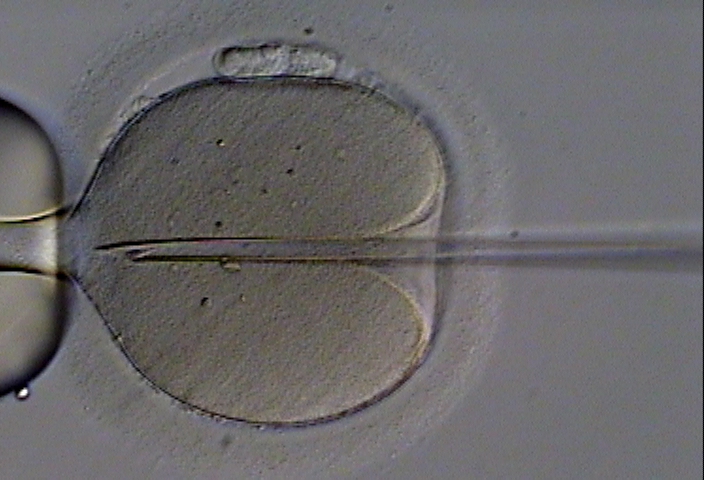
Despite occasional technical difficulties, ICSI outcomes for couples with MMAF do not differ from those of other couples requiring ICSI, irrespective of the genetic defect.
What is known already
Severe asthenozoospermia, especially when associated with the MMAF phenotype, results in male infertility. Recent findings have confirmed that a genetic aetiology is frequently responsible for this phenotype. In such situations, pregnancies can be achieved using ICSI. However, few studies to date have provided detailed analyses regarding the flagellar ultrastructural defects underlying this phenotype, its genetic aetiologies, and the results of ICSI in such cases of male infertility.
Study design, size, duration
We performed a retrospective study of 25 infertile men exhibiting severe asthenozoospermia associated with the MMAF phenotype identified through standard semen analysis. They were recruited at an academic centre for assisted reproduction in Paris (France) between 2009 and 2017. Transmission electron microscopy (TEM) and whole exome sequencing (WES) were performed in order to determine the sperm ultrastructural phenotype and the causal mutations, respectively. Finally 20 couples with MMAF were treated by assisted reproductive technologies based on ICSI.
Participants/materials, setting, methods
Patients with MMAF were recruited based on reduced sperm progressive motility and increased frequencies of absent, short, coiled or irregular flagella compared with those in sperm from fertile control men. A quantitative analysis of the several ultrastructural defects was performed for the MMAF patients and for fertile men. The ICSI results obtained for 20 couples with MMAF were compared to those of 378 men with oligoasthenoteratozoospermia but no MMAF as an ICSI control group.
Main results and the role of chance
TEM analysis and categorisation of the flagellar anomalies found in these patients provided important information regarding the structural defects underlying asthenozoospermia and sperm tail abnormalities. In particular, the absence of the central pair of axonemal microtubules was the predominant anomaly observed more frequently than in control sperm (P < 0.01). Exome sequencing, performed for 24 of the 25 patients, identified homozygous or compound heterozygous pathogenic mutations in CFAP43, CFAP44, CFAP69, DNAH1, DNAH8, AK7, TTC29 and MAATS1 in 13 patients (54.2%) (11 affecting MMAF genes and 2 affecting primary ciliary dyskinesia (PCD)-associated genes). A total of 40 ICSI cycles were undertaken for 20 MMAF couples, including 13 cycles (for 5 couples) where a hypo-osmotic swelling (HOS) test was required due to absolute asthenozoospermia. The fertilisation rate was not statistically different between the MMAF (65.7%) and the non-MMAF (66.0%) couples and it did not differ according to the genotype or the flagellar phenotype of the subjects or use of the HOS test. The clinical pregnancy rate per embryo transfer did not differ significantly between the MMAF (23.3%) and the non-MMAF (37.1%) groups. To date, 7 of the 20 MMAF couples have achieved a live birth from the ICSI attempts, with 11 babies born without any birth defects.
Limitations, reasons for caution
The ICSI procedure outcomes were assessed retrospectively on a small number of affected subjects and should be confirmed on a larger cohort. Moreover, TEM analysis could not be performed for all patients due to low sperm concentrations, and WES results are not yet available for all of the included men.
Wider implications of the findings
An early and extensive phenotypic and genetic investigation should be considered for all men requiring ICSI for severe asthenozoospermia. Although our study did not reveal any adverse ICSI outcomes associated with MMAF, we cannot rule out that some rare genetic causes could result in low fertilisation or pregnancy rates.
Study funding/competing interest(s)
No external funding was used for this study and there are no competing interests.
Trial registration number
N/A.
-
The genetic architecture of morphological abnormalities of the sperm tail
Spermatozoa contain highly specialized structural features reflecting unique functions required for fertilization. Among them, the flagellum is a sperm-specific organelle required to generate the motility, which is essential to reach the egg. The flagellum integrity is, therefore, critical for normal sperm function and flagellum defects consistently lead to male infertility due to reduced or absent sperm motility defined as asthenozoospermia. Multiple morphological abnormalities of the flagella (MMAF), also called short tails, is among the most severe forms of sperm flagellum defects responsible for male infertility and is characterized by the presence in the ejaculate of spermatozoa being short, coiled, absent and of irregular caliber. Recent studies have demonstrated that MMAF is genetically heterogeneous which is consistent with the large number of proteins (over one thousand) localized in the human sperm flagella. In the past 5 years, genomic investigation of the MMAF phenotype allowed the identification of 18 genes whose mutations induce MMAF and infertility. Here we will review information about those genes including their expression pattern, the features of the encoded proteins together with their localization within the different flagellar protein complexes (axonemal or peri-axonemal) and their potential functions. We will categorize the identified MMAF genes following the protein complexes, functions or biological processes they may be associated with, based on the current knowledge in the field.
-
The sodium/proton exchanger SLC9C1 (sNHE) is essential for human sperm motility and fertility
Asthenozoospermia, defined by the absence or reduction of sperm motility, constitutes the most frequent cause of human male infertility. This pathological condition is caused by morphological and/or functional defects of the sperm flagellum, which preclude proper sperm progression. While in the last decade many causal genes were identified for asthenozoospermia associated with severe sperm flagellar defects, the causes of purely functional asthenozoospermia are still poorly defined. We describe here the case of an infertile man, displaying asthenozoospermia without major morphological flagellar anomalies and carrying a homozygous splicing mutation in SLC9C1 (sNHE), which we identified by whole-exome sequencing. SLC9C1 encodes a sperm-specific sodium/proton exchanger, which in mouse regulates pH homeostasis and interacts with the soluble adenylyl cyclase (sAC), a key regulator of the signalling pathways involved in sperm motility and capacitation. We demonstrate by means of RT-PCR, immunodetection and immunofluorescence assays on patient's semen samples that the homozygous splicing mutation (c.2748 + 2 T > C) leads to in-frame exon skipping resulting in a deletion in the cyclic nucleotide-binding domain of the protein. Our work shows that in human, similar to mouse, SLC9C1 is required for sperm motility. Overall, we establish a homozygous truncating mutation in SLC9C1 as a novel cause of human asthenozoospermia and infertility.
-
Missense mutations in SLC26A8, encoding a sperm-specific activator of CFTR, are associated with human asthenozoospermia
The cystic fibrosis transmembrane conductance regulator (CFTR) is present in mature sperm and is required for sperm motility and capacitation. Both these processes are controlled by ions fluxes and are essential for fertilization. We have shown that SLC26A8, a sperm-specific member of the SLC26 family of anion exchangers, associates with the CFTR channel and strongly stimulates its activity. This suggests that the two proteins cooperate to regulate the anion fluxes required for correct sperm motility and capacitation. Here, we report on three heterozygous SLC26A8 missense mutations identified in a cohort of 146 men presenting with asthenozoospermia: c.260G>A (p.Arg87Gln), c.2434G>A (p.Glu812Lys), and c.2860C>T (p.Arg954Cys). These mutations were not present in 121 controls matched for ethnicity, and statistical analysis on a control population of 8,600 individuals (from dbSNP and 1000 Genomes) showed them to be associated with asthenozoospermia with a power > 95%. By cotransfecting Chinese hamster ovary (CHO)-K1 cells with SLC26A8 variants and CFTR, we showed that the physical interaction between the two proteins was partly conserved but that the capacity to activate CFTR-dependent anion transport was completely abolished for all mutants. Biochemical studies revealed the presence of much smaller amounts of protein for all variants, but these amounts were restored to wild-type levels upon treatment with the proteasome inhibitor MG132. Immunocytochemistry also showed the amounts of SLC26A8 in sperm to be abnormally small in individuals carrying the mutations. These mutations might therefore impair formation of the SLC26A8-CFTR complex, principally by affecting SLC26A8 stability, consistent with an impairment of CFTR-dependent sperm-activation events in affected individuals.